Freight Forwarding & Customs Clearance Experts
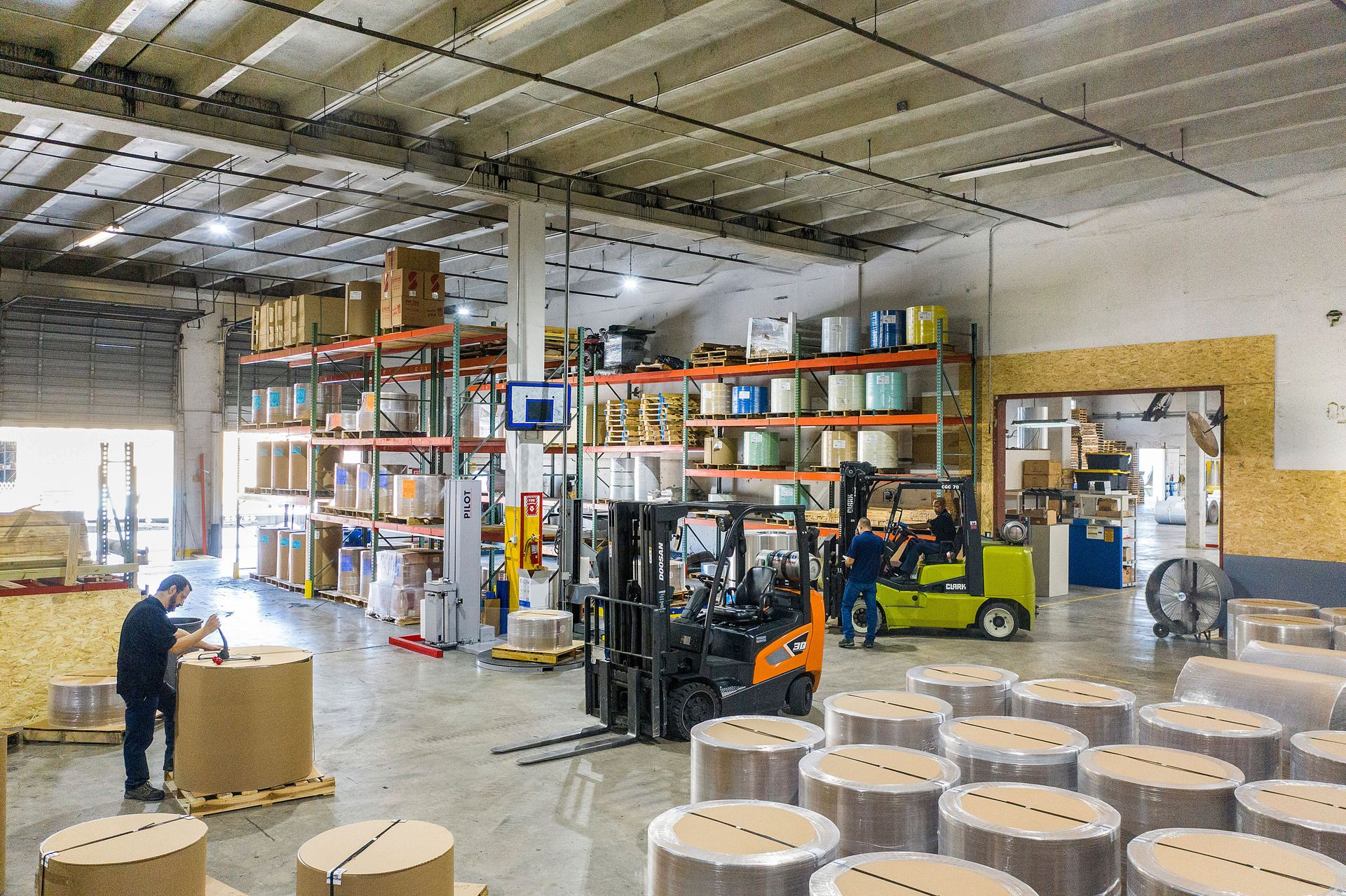
Balaji Logistics & Clearing provides warehousing and distribution infrastructure built for high performance and flexibility. Through shared logistics capabilities, clients get real-time access to inventory status using a simple, intuitive tracking system — supported by barcode scanning, compliance labeling and space optimization that keeps your supply chain efficient and cost-effective.
Our warehousing services are designed to reduce your total cost of storage and distribution, so you can focus on your business instead of logistics overhead.
"We believe logistics is not just about moving goods—it's about delivering trust, commitment and long-term business relationships."
Our facilities and trained staff are built to support businesses that need dependable, scalable storage and distribution support.
The right warehouse is not just about space — it is about how quickly you can see, move and clear what is inside it. Here is how general and bonded warehousing differ, what a container freight station does and how warehouse management works.
A bonded warehouse is a customs-approved facility where imported goods can be stored without paying customs duty until they are cleared for the domestic market or re-exported. Under the Customs Act, 1962, bonded warehouses are licensed by customs and may be public (open to any importer) or private (operated for a specific business). Goods leave the warehouse on an ex-bond Bill of Entry, with duty paid only at that point. Some goods, such as liquor, are also subject to state excise rules.
General (non-bonded) warehousing is for goods whose duty is already paid or which are not under customs control — domestic inventory, finished goods and distribution stock. Bonded storage defers duty on imports and eases cash flow. BLC's warehousing covers short-term and long-term storage, bulk inventory handling, stuffing and de-stuffing, and pick-and-pack. If your cargo needs to stay under customs bond, tell us at the enquiry stage so we can advise on the right arrangement alongside your customs clearance.
A container freight station (CFS) is a facility, usually near a port or inland container depot, where containers are stuffed and de-stuffed, LCL cargo is consolidated, and cargo can be examined by customs and held briefly before delivery. If your shipment is LCL, it will normally pass through a CFS at one or both ends.
Good warehouse management follows a clear sequence — receiving, put-away, storage, picking, packing and dispatch — with accurate records at every step. BLC supports this with real-time inventory tracking, barcode scanning, compliance labelling and space-optimised storage. Automation such as automated racking can make sense for very high volumes, but for most businesses well-run, barcode-based processes deliver the larger gains.
Storage charges depend on the space or number of pallets used, how long goods are held, the handling involved and any value-added services such as labelling or pick-and-pack. Contact us with your volumes and duration for a tailored quote.